

Childhood Lead Poisoning Prevention Program (CLPPP)
A child with lead poisoning may have no visible signs. The good news is that lead poisoning is preventable, and a simple blood test can identify whether a child has been exposed to lead. Understanding the risks of lead exposure is important to keeping children safe because:
- lead poisoning damages the brain and nervous system,
- lead is stored in bones, it can affect growth and development,
- children under the age of 6 are at the greatest risk for serious problems from lead poisoning, and
- young children's bodies grow quickly and absorb more lead than adults do.
The only way to know if your child has lead poisoning is through a blood lead test. To determine if your child may have been exposed to lead and would benefit from a blood lead test, take the survey. Take the Quiz



Did you know that eating foods rich in Iron, Calcium, and Vitamin C can help protect your children from lead poisoning? Click here for information and kid-friendly recipes: Fight Lead Poisoning with a Healthy Diet

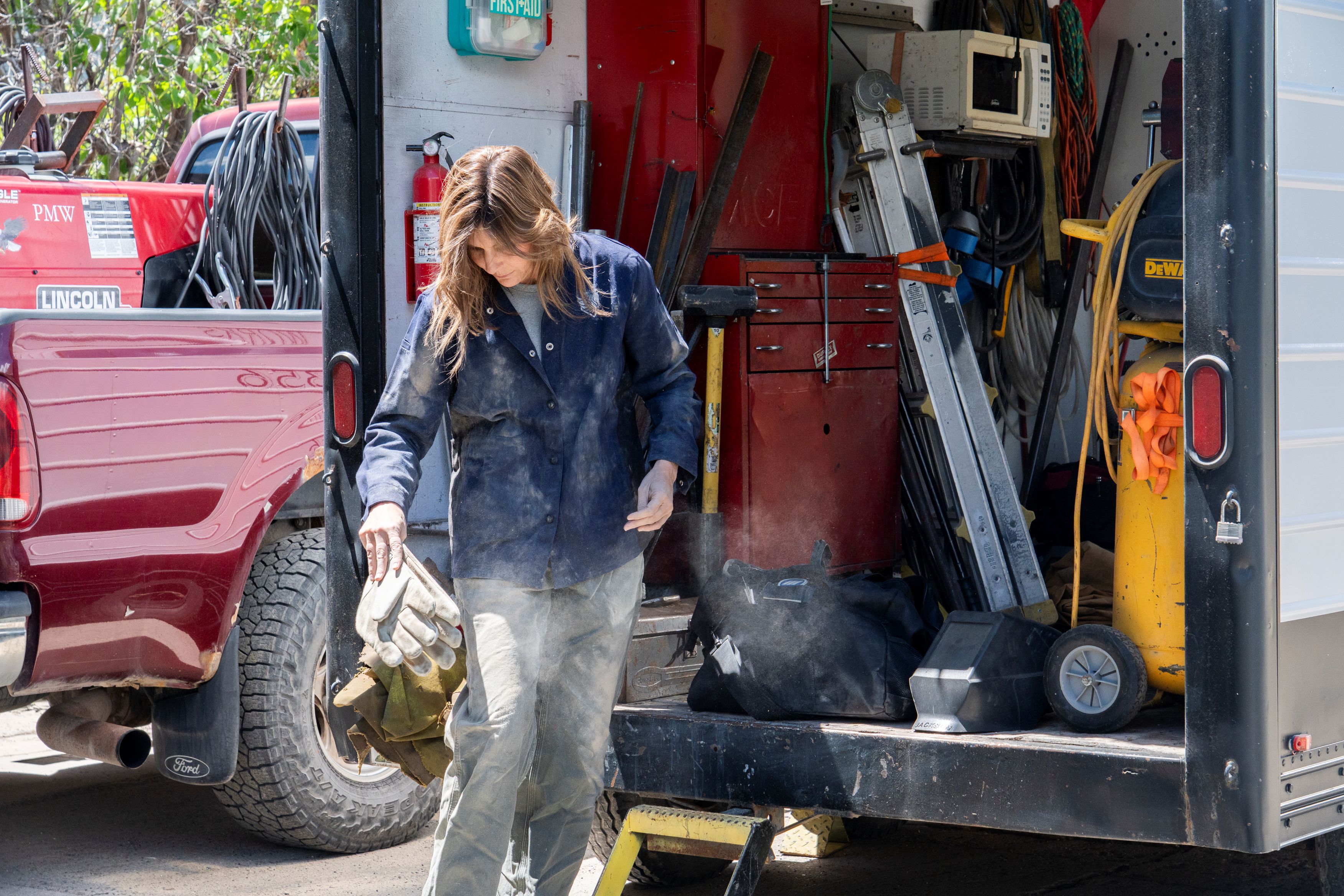
Lead dust is too small to see and can be inside your home from lead-based paint, lead-contaminated soil that has been tracked in on shoes, pets and other belongings, and take home lead from jobs and hobbies involving lead. You can protect your home from lead dust in your home through routine cleaning using lead-safe cleaning methods.

When laundering clothes and other linens that might be contaminated with lead, here are seven things you can do to minimize your exposure to lead and reduce the risk of contaminating other laundry.
Do It Yourself Home Repairs in Older Homes Guidance
Talking to Your Health Care Provider about a Blood Lead Test for Your Child: You have the right to ask for a blood lead screening for your child. Most insurances cover both the venous and capillary test. Here are some questions you can ask your physician:
- I took the lead risk survey on the Childhood Lead Poisoning Prevention website page and am concerned that my child may have been exposed to lead. Can we schedule a lead screening today to be safe?
- If we do the test today, how long will it take to ge the results, and what number are we looking for?
- What can I expect if my child's blood lead test comes back positive for lead poisoning?
- Visit the CDC website for more information about blood lead testing in children.
Protecting Montana’s children from the harmful effects of lead begins with you. No safe blood lead level has been identified, and even low exposures can cause irreversible impacts on cognitive development and behavior. Lead remains present in many Montana homes and communities, making early detection essential.
This webpage provides healthcare providers with updated tools, testing recommendations, and clinical resources to support the prevention, identification, and management of childhood lead exposure. By incorporating routine risk assessments and timely blood lead testing into well‑child care, providers play a critical role in reducing the lifelong consequences of lead poisoning and connecting families with needed support.
Do It Yourself Renovation: Guidance on keeping children safe from lead during home renovations
Renovating Homes that may Contain Lead-Based Paint
Resources for Buying, Selling, or Renting a Home Built Before 1978
Contact the Childhood Lead Poisoning Prevention Program Team
Amy Hallmark
Environmental Health Epidemiologist
Amy.Hallmark@mt.gov
Mary Anderson
Environmental Health Program Specialist
Mary.Anderson2@mt.gov